
- Retail
- Ecommerce Design & Development
Parkside Tiles
Refining online retail through a custom Shopify design and build for Parkside Tiles
●Shopify Plus B2B specialists
Trusted by leading B2B brands








Refining online retail through a custom Shopify design and build for Parkside Tiles

Powering a faster, smarter ecommerce experience for Alert Electrical

David Morris x Japan: Building a Shopify store for the Japanese Luxury Jewellery Market
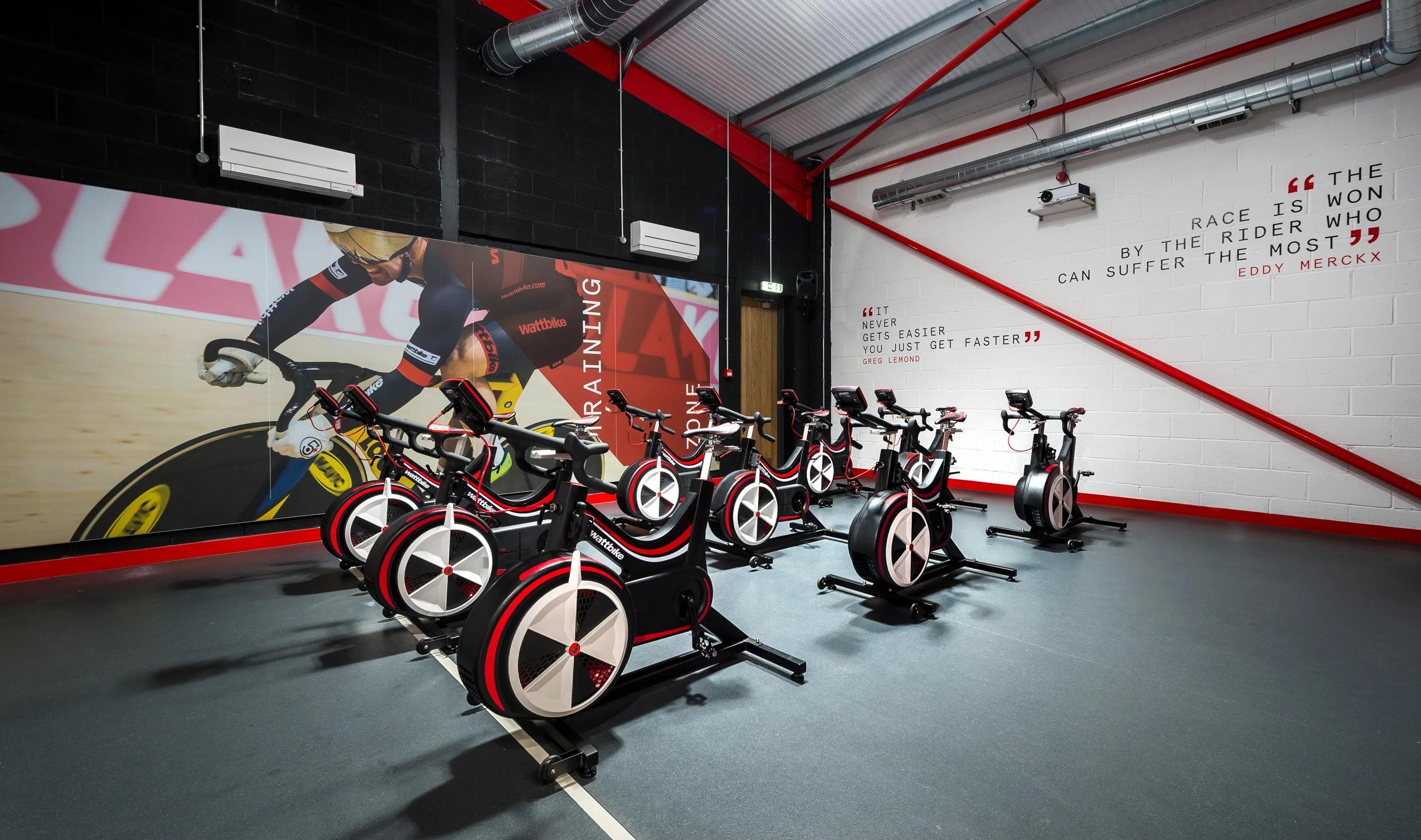
Implementing scalable Shopify solutions for Wattbike’s new product launches
Wholesale brands usually come to us in one of two positions. They either have an existing store that's underwhelming and hasn't been adopted by their customers, or they have a non-transactional store. In either case, we help you build something that customers will use and that will increase your sales, particularly out of business hours.
We start with the buyer journeys that move commercial volume: reorders for existing accounts, onboarding for new dealers, quote requests for non-standard quantities.
The design work covers the storefront, the customer account area and the rep-facing tools, with the people who'll use the platform daily involved from week one.
Shopify Plus B2B as the foundation, with the integrations that make a wholesale operation functional. ERP sync for stock and pricing across Sage, Brightpearl, NetSuite, SAP Business One and Microsoft Dynamics. Customer-specific catalogues, net terms, credit limits, PO numbers and multi-buyer approval flows. Custom Shopify Functions where the native feature set falls short.
Once your website has been through rigorous quality assurance checks and testing, we'll agree a time to launch it. We can carry over customers from an existing platform or liaise with your marketing team to send a mailshot out once the new website is running.
This is where we differ from most Shopify B2B agencies. Once the store is live, our growth team takes over the SEO for the commercial keywords your buyers search and the paid campaigns target new dealer acquisition. This is the difference between a nice store and a store that drives sales.
We start with the buyer journeys that move commercial volume: reorders for existing accounts, onboarding for new dealers, quote requests for non-standard quantities.
The design work covers the storefront, the customer account area and the rep-facing tools, with the people who'll use the platform daily involved from week one.
Once your website has been through rigorous quality assurance checks and testing, we'll agree a time to launch it. We can carry over customers from an existing platform or liaise with your marketing team to send a mailshot out once the new website is running.
Shopify Plus B2B as the foundation, with the integrations that make a wholesale operation functional. ERP sync for stock and pricing across Sage, Brightpearl, NetSuite, SAP Business One and Microsoft Dynamics. Customer-specific catalogues, net terms, credit limits, PO numbers and multi-buyer approval flows. Custom Shopify Functions where the native feature set falls short.
This is where we differ from most Shopify B2B agencies. Once the store is live, our growth team takes over the SEO for the commercial keywords your buyers search and the paid campaigns target new dealer acquisition. This is the difference between a nice store and a store that drives sales.
We start with the buyer journeys that move commercial volume: reorders for existing accounts, onboarding for new dealers, quote requests for non-standard quantities.
The design work covers the storefront, the customer account area and the rep-facing tools, with the people who'll use the platform daily involved from week one.
Shopify Plus B2B as the foundation, with the integrations that make a wholesale operation functional. ERP sync for stock and pricing across Sage, Brightpearl, NetSuite, SAP Business One and Microsoft Dynamics. Customer-specific catalogues, net terms, credit limits, PO numbers and multi-buyer approval flows. Custom Shopify Functions where the native feature set falls short.
Once your website has been through rigorous quality assurance checks and testing, we'll agree a time to launch it. We can carry over customers from an existing platform or liaise with your marketing team to send a mailshot out once the new website is running.
This is where we differ from most Shopify B2B agencies. Once the store is live, our growth team takes over the SEO for the commercial keywords your buyers search and the paid campaigns target new dealer acquisition. This is the difference between a nice store and a store that drives sales.
A single company account can hold multiple buyers, each with their own login, role and permissions. The procurement lead can place orders, the finance contact can pay invoices, the warehouse manager can track deliveries, all from the same account view. Approval workflows route larger orders to whoever needs to sign them off. No more sharing one login over email.
Each company account sees the products, pricing and quantity rules you've set for them. A distributor in France sees their territory catalogue and EUR pricing. A national account sees their negotiated rate card. A trial customer sees a starter range with MOQs attached. All driven from one product feed in the back end, with no duplicated SKUs.
Buyers can check out on net terms (net 30, net 60, net 90) instead of paying at point of sale. Credit limits are enforced automatically against the customer's account, with orders held for review if a buyer pushes past them. Finance keeps control. Buyers get the payment terms they had on the old phone-and-email setup, without your team having to chase signatures.
Buyers can submit a PO number at checkout, or request a quote on non-standard volumes that gets routed to a rep for sign-off. Quotes convert to draft orders the buyer can pay later. The whole quote-to-order journey runs inside the store, so reps stop digging through email threads to find which version of the spreadsheet was the final one.
The reorder flow is where wholesale revenue compounds. Buyers see their order history, repeat a previous order in a click, or build a shopping list of their core SKUs for one-click reordering. For brands where 70-80% of revenue comes from repeat accounts, getting this flow right is the single highest-leverage piece of UX work on the site.
Live integration with Sage, Brightpearl, NetSuite, Microsoft Dynamics or SAP Business One keeps stock levels and pricing in sync between the storefront and the system of record. Orders placed on Shopify flow back into the ERP for fulfilment and invoicing without manual re-keying. The handful of edge cases where native sync isn't enough get handled with Shopify Functions or a thin custom middleware layer.
B2B buyers across the EU, US and rest of world get the right tax treatment, the right currency and the right compliance documentation at checkout. VAT numbers are validated against the EU VIES database. Reverse charge rules apply where they should. Pricing displays in the buyer's local currency without breaking the relationship to the GBP figures in your ERP.
Your reps can log into the storefront as one of their accounts and place orders on behalf of the buyer. Useful for the accounts that aren't yet trained on self-serve, for trade-show order capture, and for the customer service team handling phone orders that still come in. Reps see their full book of accounts in one view, with order history, outstanding quotes and credit status visible per account.


We'll review your current setup, the platforms on your shortlist and the integrations you'd need. You'll leave the call with a clear view of scope, timeline and budget, whether or not we end up working together.
Since April 2026, the core B2B feature set is available on Basic, Grow and Advanced plans, not just Plus. Company profiles, customer-specific catalogues, net payment terms, draft orders and PO numbers all work on the lower tiers. Plus is still the right call if you need unlimited catalogues, multi-location pricing across regions, deposit and partial payment flows, scoped sales rep permissions, or the headroom to integrate properly with an ERP. For most mid-market wholesale brands turning over more than a few million a year, Plus pays for itself. We'll tell you honestly in discovery if it doesn't.
Yes, and for most brands we'd recommend it. Shopify runs B2B and DTC as separate experiences inside one store, with different pricing, catalogues and checkout rules per audience. One product feed, one stock pool, one team managing it. The alternative (running two separate stores or two platforms) almost always costs more in operational overhead than it saves in flexibility.
The ones we ship most often are Sage, Brightpearl, NetSuite, Microsoft Dynamics 365 and SAP Business One. We handle the integration layer in-house rather than passing it to a third-party integrator, which is usually where wholesale builds come unstuck. Whether the integration runs through middleware (Celigo, Boomi, Patchworks) or direct API depends on the system on your side and the volume going through it.
Sixteen to twenty-four weeks for a standard build with ERP integration. Heavier customisation, complex approval flows, or migrations from Magento Commerce or NetSuite push it closer to thirty. We scope properly in discovery so the timeline you sign off on is the one we hit.
Two worth flagging upfront. First, native approval workflows are limited to ordering and admin roles. If you need multi-step approval chains where orders route through procurement, finance and a director in sequence, that's custom work or an app.
Second, self-service order editing for buyers (changing quantities or shipping addresses after placing an order) isn't native and usually needs an app or custom build. Neither is a dealbreaker, but both are worth knowing about before the platform decision is made.
We offer 4-weeks of hypercare post-launch to answer any questions you have and to fix any bugs if they surface (very rare).
Our growth team takes over the SEO and Paid Search work on an optional ongoing retainer from there. For wholesale that means category and product pages optimised for the long-tail commercial keywords your buyers search and paid campaigns aimed at new dealer acquisition.